"To us, horses are comrades-in-arms fighting side by side, important partners in guarding our mission and fulfilling our responsibilities."
On September 16,the Logistics Department of a unit of the Chinese People's Liberation Army sent a letter to Henan University of Animal Husbandry and Economy, expressing high respect and heartfelt gratitude to Wang Xuefei, a teacher in the Traditional Chinese Veterinary Medicine Teaching and Research Office of the College of Animal Medicine, for his outstanding performance in the emergency treatment of military horses.
This story of military-civilian medical rescue begins with a late-night phone call.
01 A Thousand-Mile Rescue: Departure at 4:30 a.m.
The story goes back to the evening of February 7, when Henan University of Animal Husbandry and Economy received an urgent request for help from a military unit:dozens of military horses of a unit of the Chinese People's Liberation Army had suddenly fallen ill, showing symptoms such as loss of appetite and lethargy; some sick horses were unable to stand, and some had even died.
After diagnosis and treatment by unit veterinarians, local animal husbandry station medical personnel and others, the condition still showed no obvious improvement, and the rescue work reached an impasse. After receiving the task of guiding diagnosis and treatment, Teacher Wang Xuefei set off immediately,leaving home at 4:30 a.m. on February 8, and traveled by connecting flights to the front line of treatment.
"Military horses are the soldiers' closest silent comrades-in-arms. Being able to use our traditional Chinese veterinary methods to relieve their pain is what I, as a traditional Chinese veterinary practitioner, should do." Recalling his feelings at the time afterward, Wang Xuefei was still visibly excited.
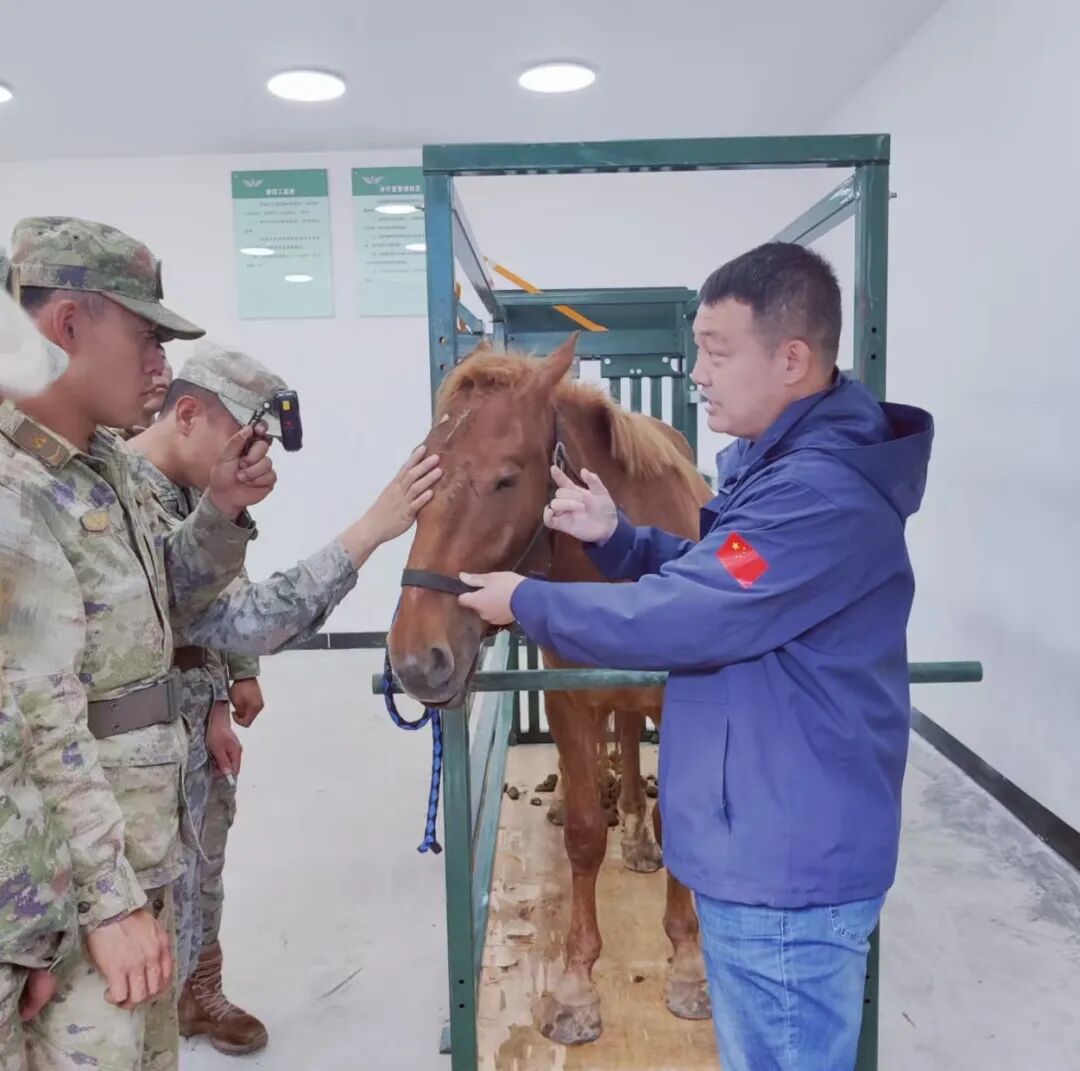
After arriving at the camp, Wang Xuefei thoroughly assessed the horses' condition and, combining the traditional Chinese veterinary diagnostic approach of observation, listening, inquiry and pulse examination, determined a collaborative treatment plan integrating Chinese and Western veterinary medicine.
For five consecutive days, he stayed day and night in the camp stables, closely monitoring the sick horses' condition, dynamically adjusting the treatment plan, and building a lifeline for the military horses. After systematic treatment, the horses' condition improved rapidly,and all entered the recovery phase. On February 14, on the eve of the Spring Festival, Wang Xuefei completed the rescue mission and returned. At the end of March the same year, Wang Xuefei went to the camp again for follow-up consultations and confirmed that all the military horses had recovered.
"Teacher Wang not only saved the horses' lives, but also protected our deep bond with the horses and comforted the anxious feelings of all personnel," the letter of thanks said with deep emotion.
02 Breaking Through with Silver Needles: The Hard Power of a "Inheritor of Traditional Chinese Veterinary Medicine for Horse Diseases"
The confidence for the thousand-mile rescue came from years of dedicated deep cultivation.
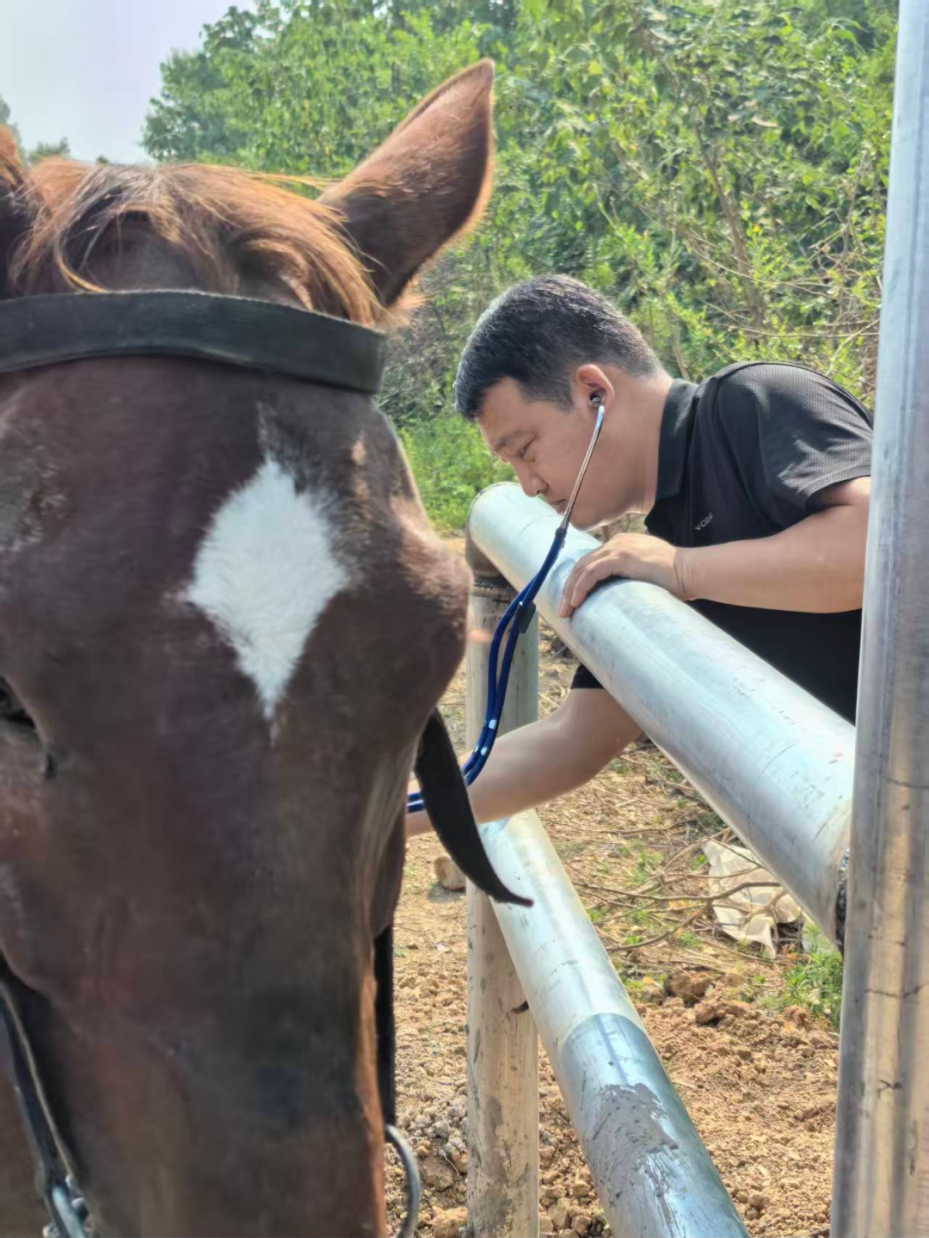
As a licensed veterinarian, standing director of the Traditional Chinese Veterinary Medicine Branch of the Chinese Association of Animal Science and Veterinary Medicine, and deputy secretary-general of the Horse Medicine Branch of the Chinese Veterinary Medical Association,Wang Xuefei has long been deeply engaged in the traditional Chinese veterinary clinical treatment of horse diseases, and is known in the industry as "a contemporary Chinese practitioner of traditional Chinese veterinary clinical practice for horse diseases" and "an inheritor of traditional Chinese veterinary medicine for horse diseases."
He has systematically organized the theoretical system of traditional Chinese veterinary medicine for horse diseases, made continuous breakthroughs in the application of distinctive acupuncture points and the development of Chinese herbal formulas, and cured many cases of sports injuries in racehorses; he led the casting of a bronze acupuncture horse point model and developed 3D-printed movement acupoint models for horses, cattle and dogs.
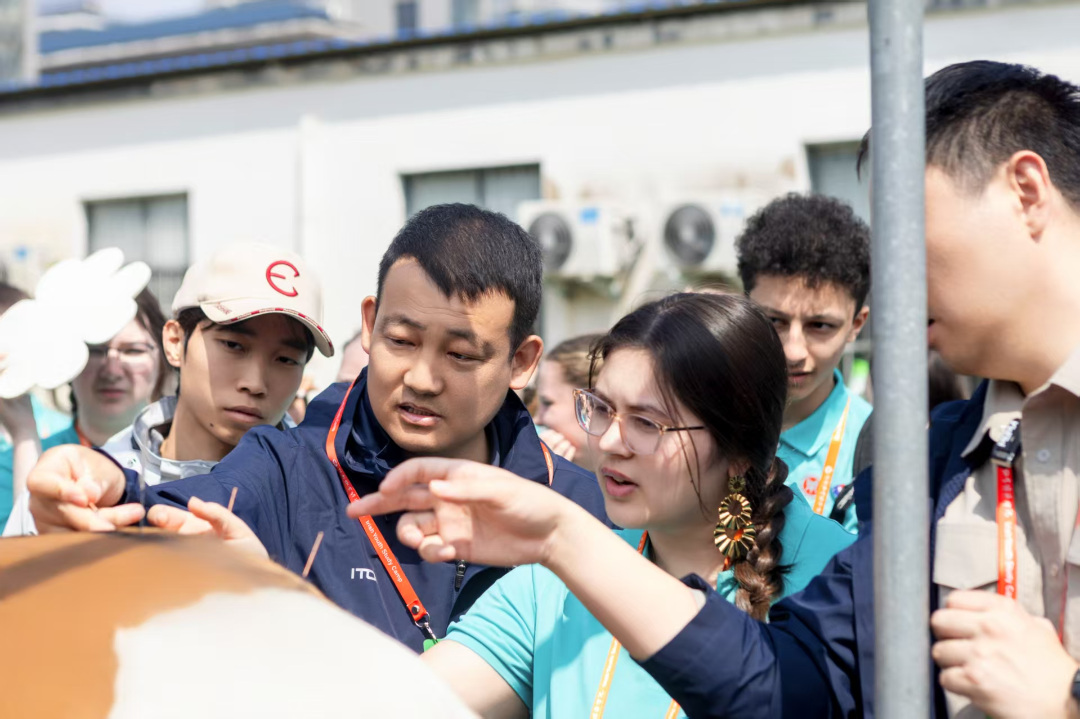
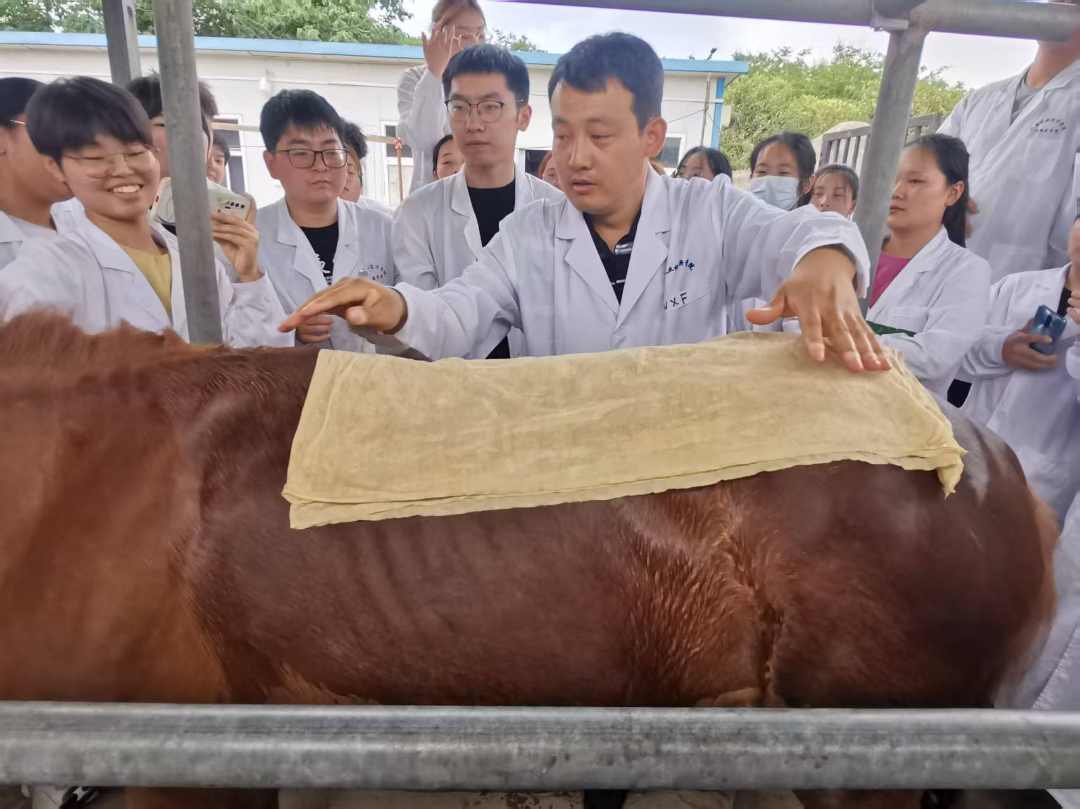
For Wang Xuefei, providing technical services to the military is far from the first time. In 2024, he was appointed as a specially invited teaching expert for the Army veterinary backbone training class, and has successively entered military camps four times to teach, training more than 150 veterinary backbones for the military.
The breakthrough approach of "integration of Chinese and Western veterinary medicine" in this military horse treatment was precisely a natural expression of this long-term accumulation.
03 Rooted in the Land: Bringing Services to Where They Are Needed Most
Wang Xuefei insists on writing his papers on the front line of industry.
"Those who come to me for treatment are all people who have tried various treatments without success before seeking traditional Chinese veterinary medicine!" Over the years, Wang Xuefei has devoted himself to studying traditional Chinese veterinary techniques and is committed to the prevention and control and clinical treatment of diseases in horses, cattle, pigs and other livestock and poultry.
Since 2023, for four consecutive years he has used his summer vacation to accept invitations to Zhaosu County, Ili, Xinjiang, to participate in expert grassroots service activities organized by the local Department of Human Resources and Social Security, going deep into the front line to solve practical problems for herders. Through new media platforms such as Douyin and WeChat Channels, Wang Xuefei provides free online consultation and diagnosis to farmers and herders across the country, applying purely traditional Chinese veterinary therapies, improving the cure rate of sick animals, and winning widespread recognition from farmers and herders.
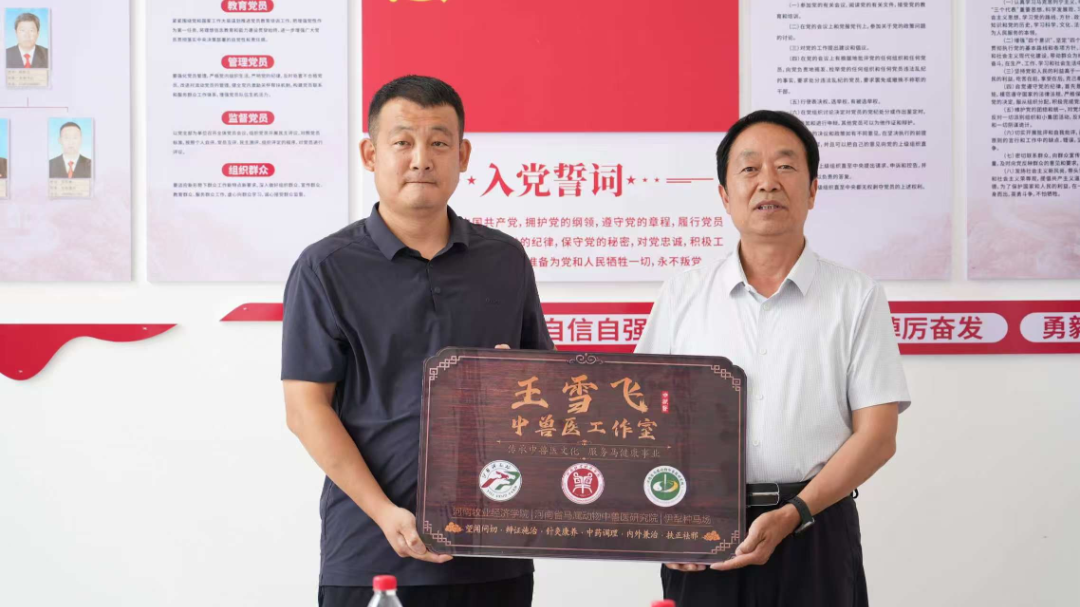
"Traditional Chinese veterinary technology is a treasure of traditional Chinese culture and has played a huge role in the prevention and control of animal diseases." Under his promotion, the university has jointly built a "Demonstration Off-Campus Practical Teaching Base" and the "Henan University of Animal Husbandry and Economy Traditional Chinese Veterinary Medicine Doctoral Workstation" with the Traditional Chinese Veterinary Medicine Branch of the Chinese Association of Animal Science and Veterinary Medicine, the Horse Medicine Branch of the Chinese Veterinary Medical Association, the Xinjiang Ili Stud Farm, and the Xinti Tianhe Ranch Equestrian Base, set up a "Traditional Chinese Veterinary Medicine Studio" at the Xinjiang Ili Stud Farm, and actively promoted the formulation of the industry standard "Specification for Traditional Chinese Veterinary Health Care of Sport Horses," integrating teaching, research and service into one.
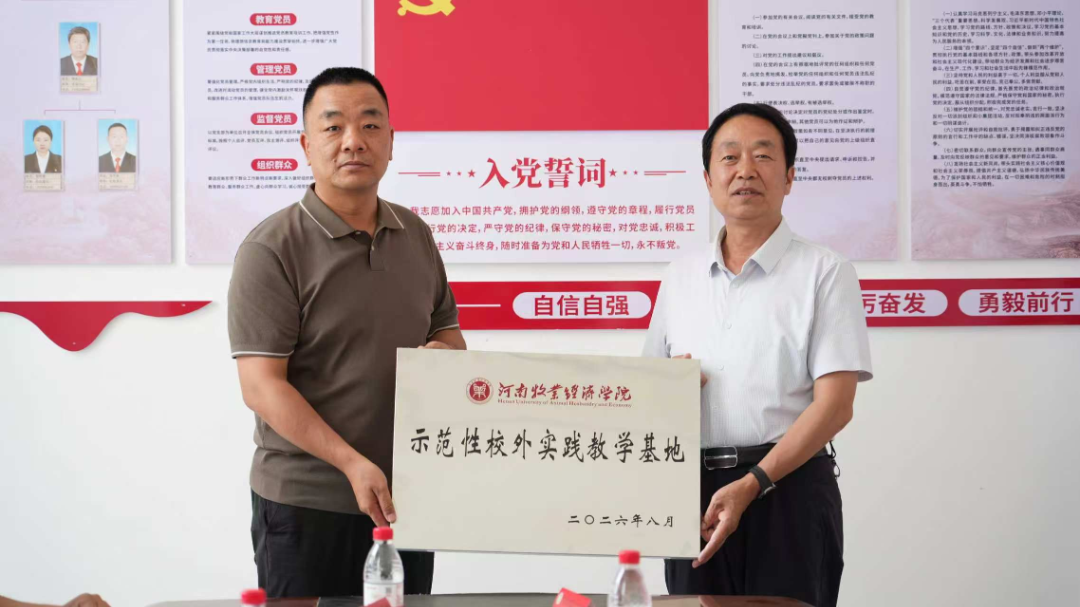
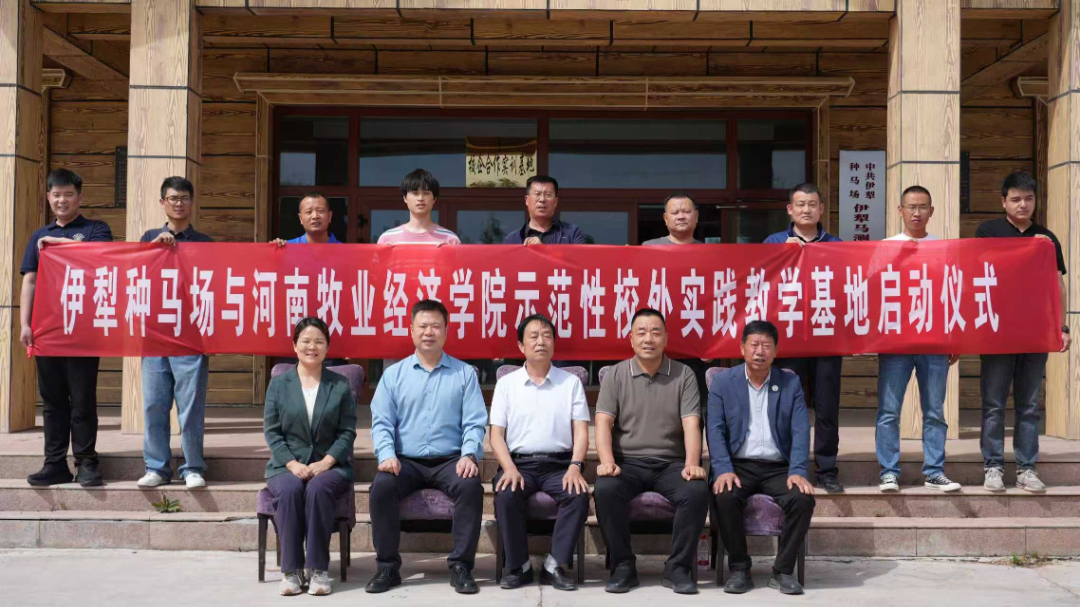
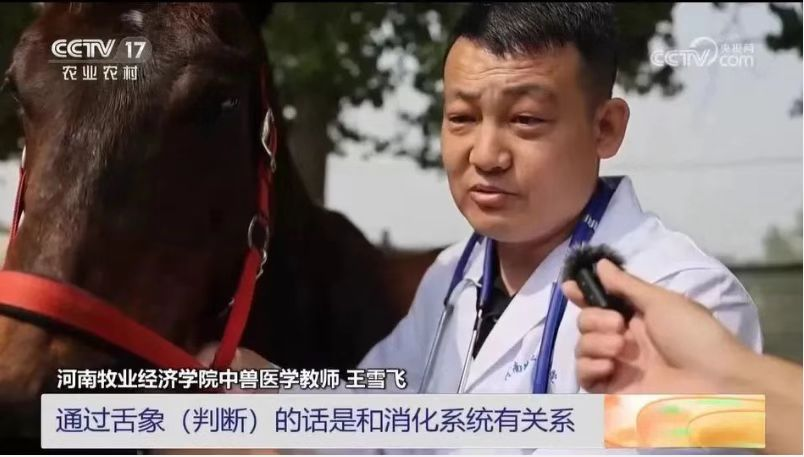
His advanced deeds have been reported by many mainstream media outlets, including CCTV Agriculture and Rural Channel, the website of the Chinese People's Political Consultative Conference Daily, and Henan Daily, fully demonstrating the Eastern wisdom of traditional Chinese veterinary medicine and enhancing the influence of the traditional Chinese veterinary medicine discipline of Henan University of Animal Husbandry and Economy in the national industry.
04 Conclusion
This professionalism and dedication are not only a vivid embodiment of the mission and responsibility of university teachers in the new era, but alsoa true portrayal of military-civilian unity and deep bonds between the army and the people。
Source: Henan University of Animal Husbandry and Economy (published via the WeChat official account of the Henan Provincial Department of Education)